Flora and Fauna
Our Guide to the Nature and Wildlife of Lake Garda

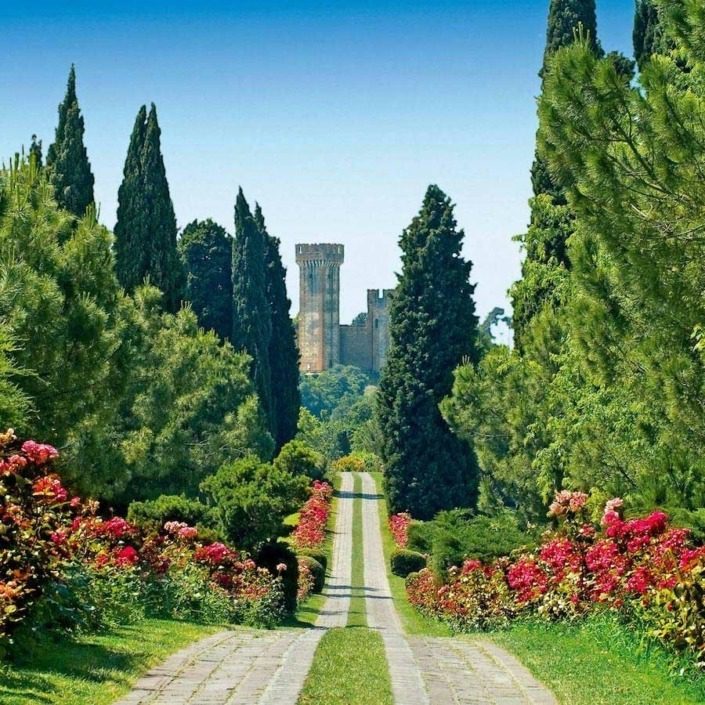
Lake Garda boasts a remarkably diverse ecosystem influenced by its sub-Mediterranean climate. The surrounding landscapes are rich with a variety of flora, including olive trees, laurels, and alpine species like rhododendrons at higher elevations on Mount Baldo, often referred to as the “Garden of Italy.”
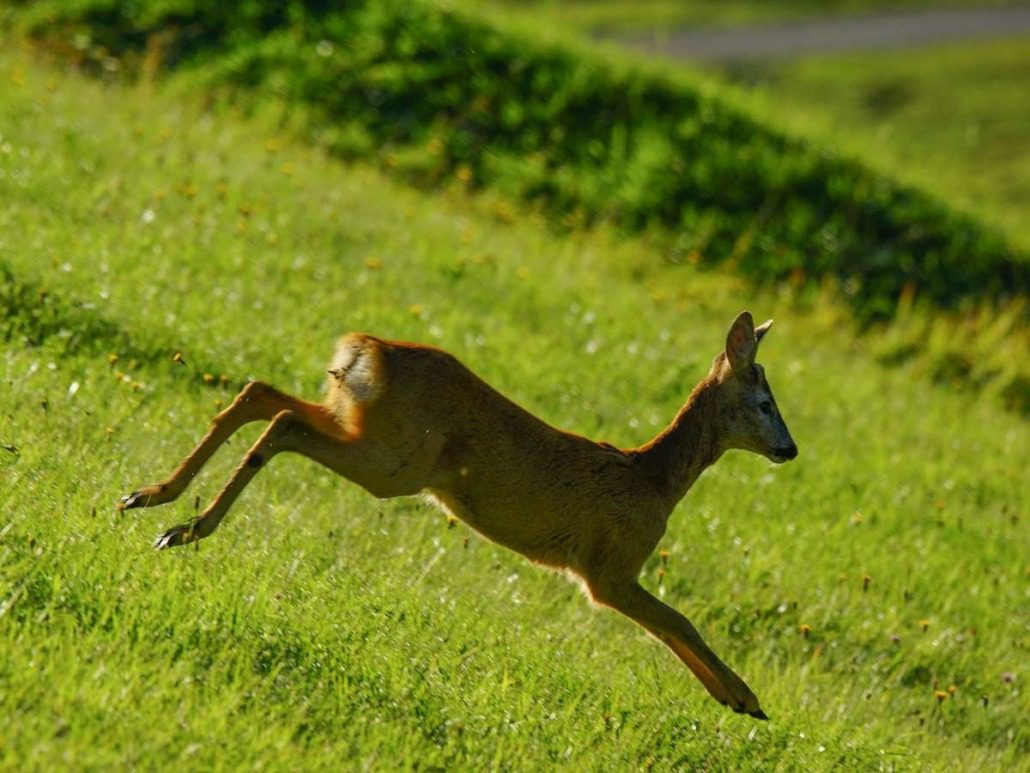
The fauna of Lake Garda is equally varied, with aquatic species such as carpione and perch in its waters and terrestrial wildlife including roe deer, chamois, and numerous bird species like the golden eagle. This biodiverse environment provides a vivid snapshot of nature’s adaptability and richness in northern Italy.
Discover the natural splendor of Lake Garda. With its diverse flora and fauna, Mediterranean climate, and scenic views, it’s a paradise for nature lovers. Explore its rich ecosystems and experience the beauty of northern Italy!
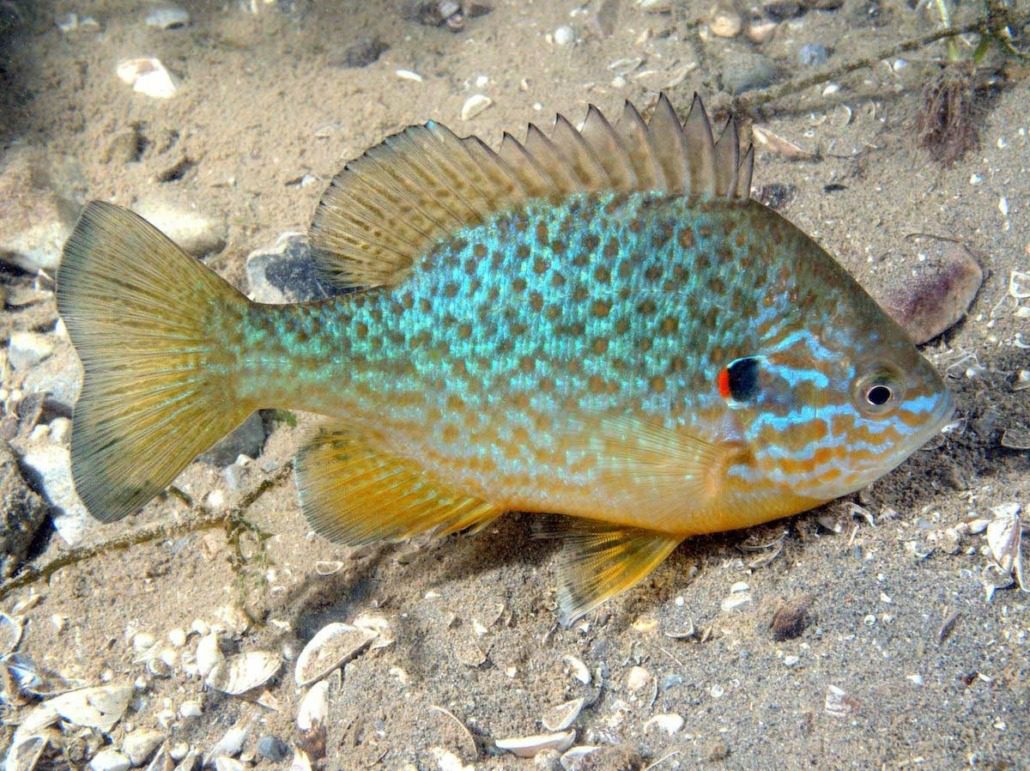
Lake Garda hosts a diverse array of fish species, approximately thirty in total, each adapting uniquely to its aquatic ecosystem. Among the most notable is the carpione, a rare, plankton-eating salmonid native to the lake. Its numbers have dwindled, likely due to competition from another salmonid, the whitefish.
Lake trout, which can reach exceptional sizes up to 15 kg, is also found in Lake Garda, though it has become increasingly rare. The lake’s ecosystem supports a healthy population of cyprinids, including chub, rudd, barbel, carp, and tench. However, the once abundant bleaks have seen significant declines in their population.
A historically crucial part of the local fishing economy was the shad, a plant-eating fish that thrived in the lake’s environment. Eels, which used to migrate naturally up the Mincio River, now must be artificially introduced due to the construction of dams that block their path.
Predatory species such as pike, perch, and burbot, known for its unappealing appearance but delicious meat, add to the lake’s ecological variety. Bullheads, which hide among stones near the banks, are another interesting addition to the lake’s fauna.
Lake Garda also boasts other species that contribute to its biodiversity, including various perch-like fishes and other smaller, less-known species that play essential roles in the aquatic food chain. This diversity not only supports local fishing but also adds to the ecological health of the area.
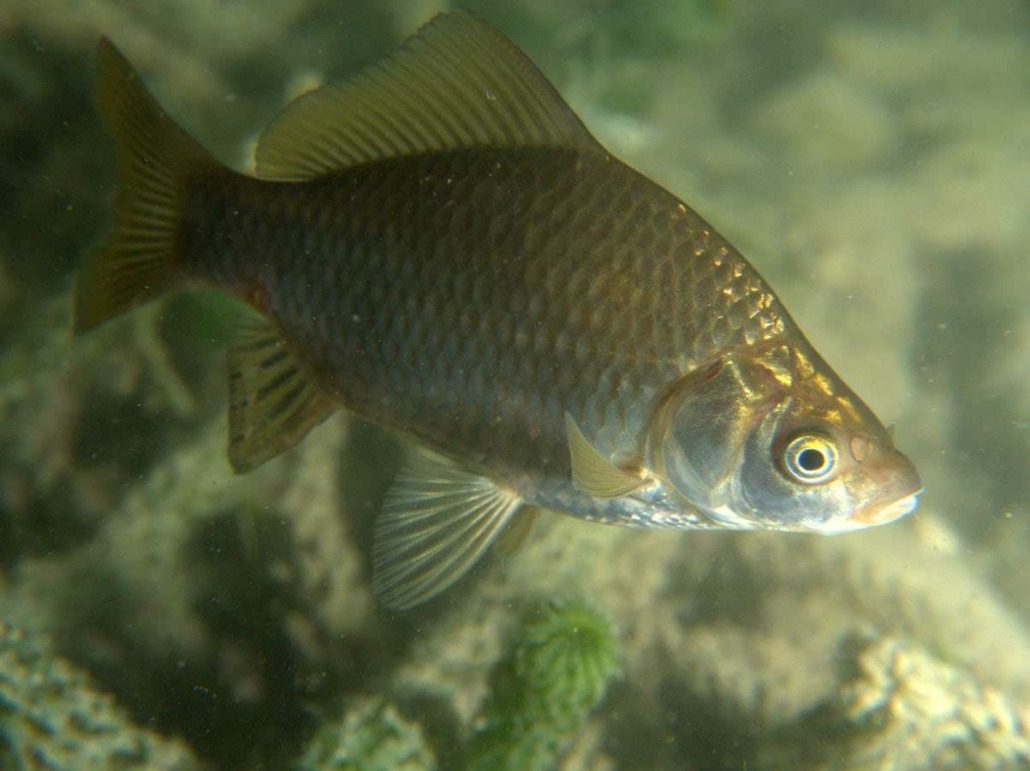
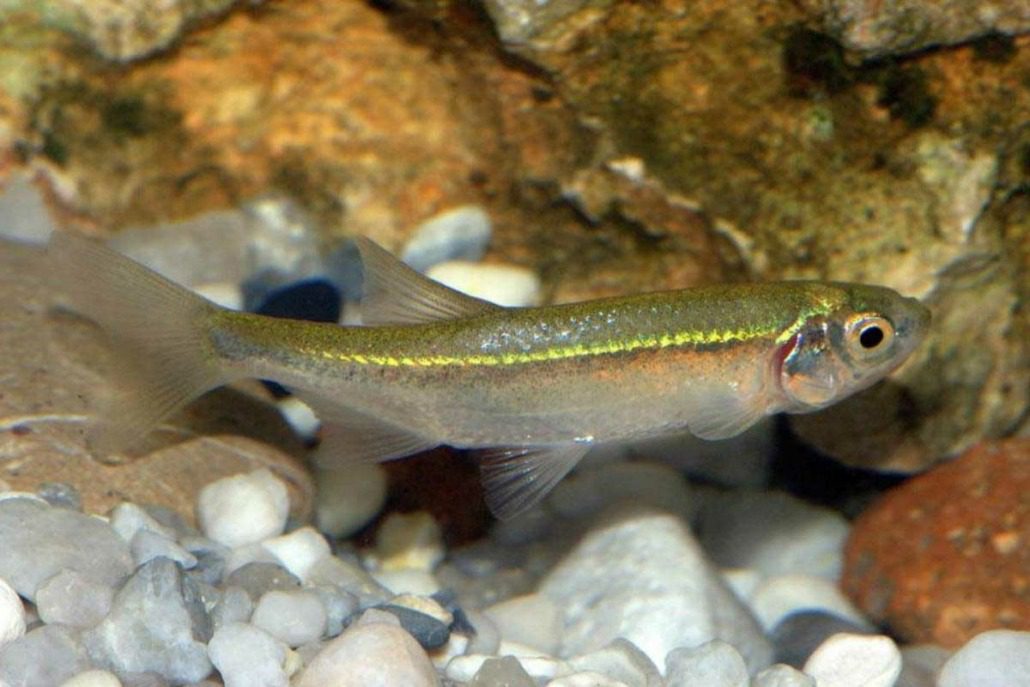
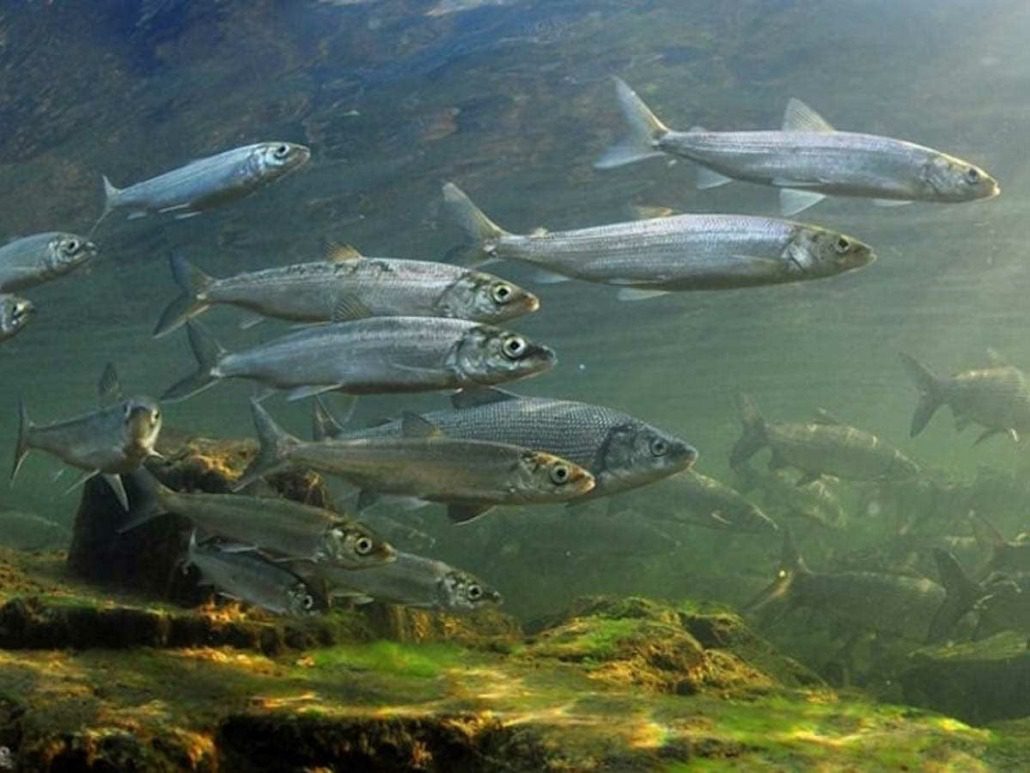
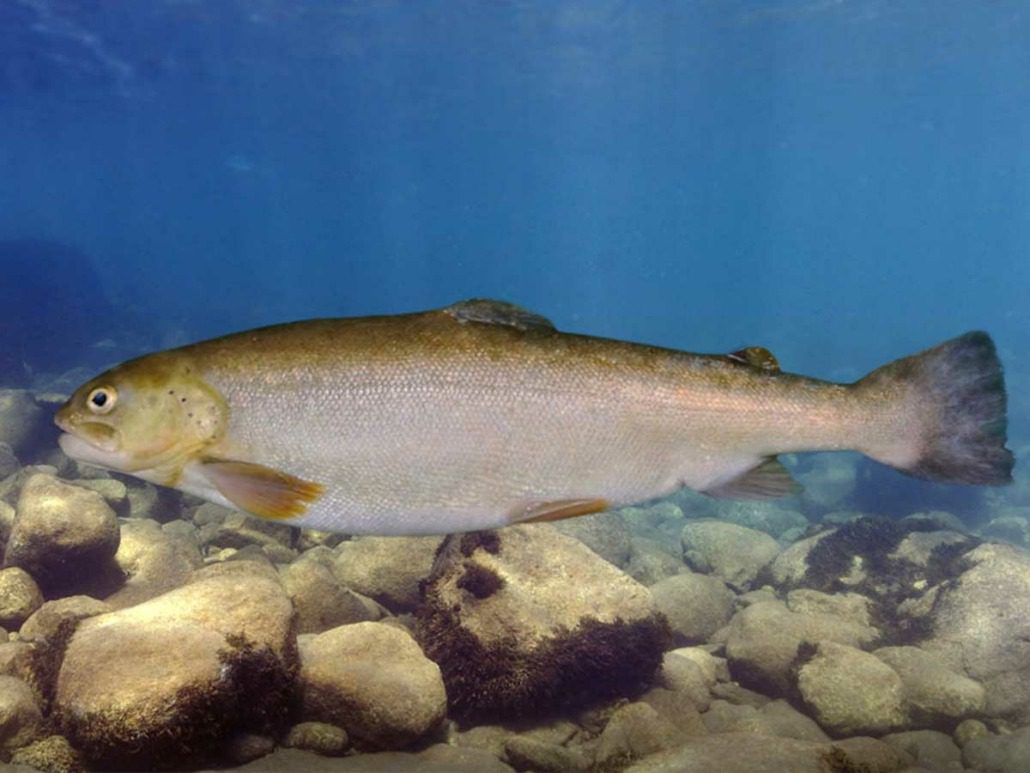
Lake Garda’s rich biodiversity faces multiple threats. Recently, the introduction of wels catfish has further destabilized the ecosystem. These large predators disrupt the ecological balance by preying on native species and altering habitats.
Sustainable practices are essential to ensure that future generations can also enjoy and benefit from the natural resources Lake Garda offers. As such, Lake Garda remains a vibrant yet vulnerable habitat, reflective of both the resilience and fragility of its aquatic life
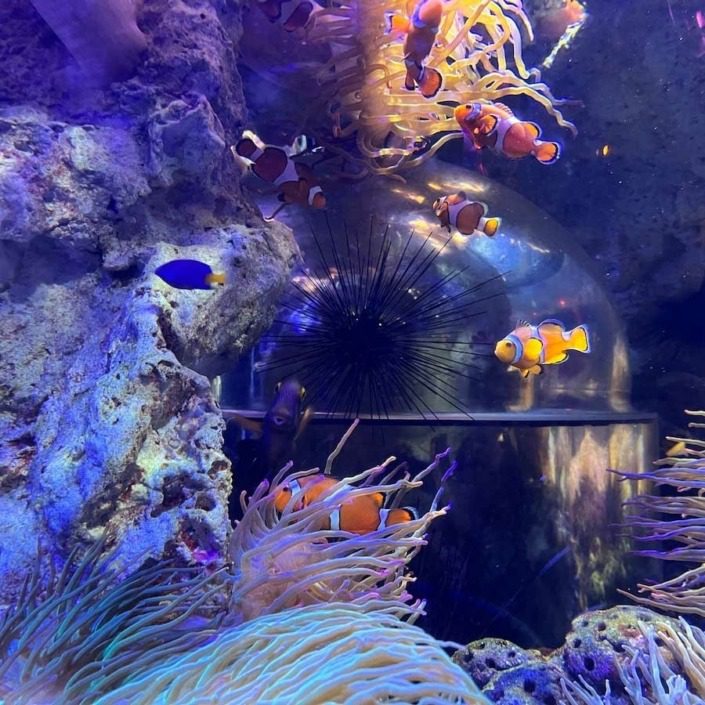
Note: the Gardaland Sea Life Aquarium features a variety of fish species from Lake Garda.
Lake Garda‘s diverse amphibian and reptile populations enhance its ecological richness. Among the amphibians, the spotted salamander and various newt species thrive in the clear, fresh ponds. Additionally, the area supports the yellow-bellied toad, common toad, common tree frog, and several species from the Rana genus, each playing a vital role in the local biodiversity.
Reptiles are equally diverse. At lower altitudes, green lizards and wall lizards are frequently observed, while the mountain lizard can be seen in the Alpine regions. The slow worm, although harmless, is a common sight across the area.
The snake population includes the melanistic variant of green whip snake and the Aesculapian snake, which can grow up to two meters. The grass snake with its characteristic collar, known for its swimming abilities, is often spotted in Lake Garda’s waters. Notably, the area is also home to venomous species, such as the common viper or adder and the cross viper, contributing to the complex and vibrant ecosystem of Lake Garda.
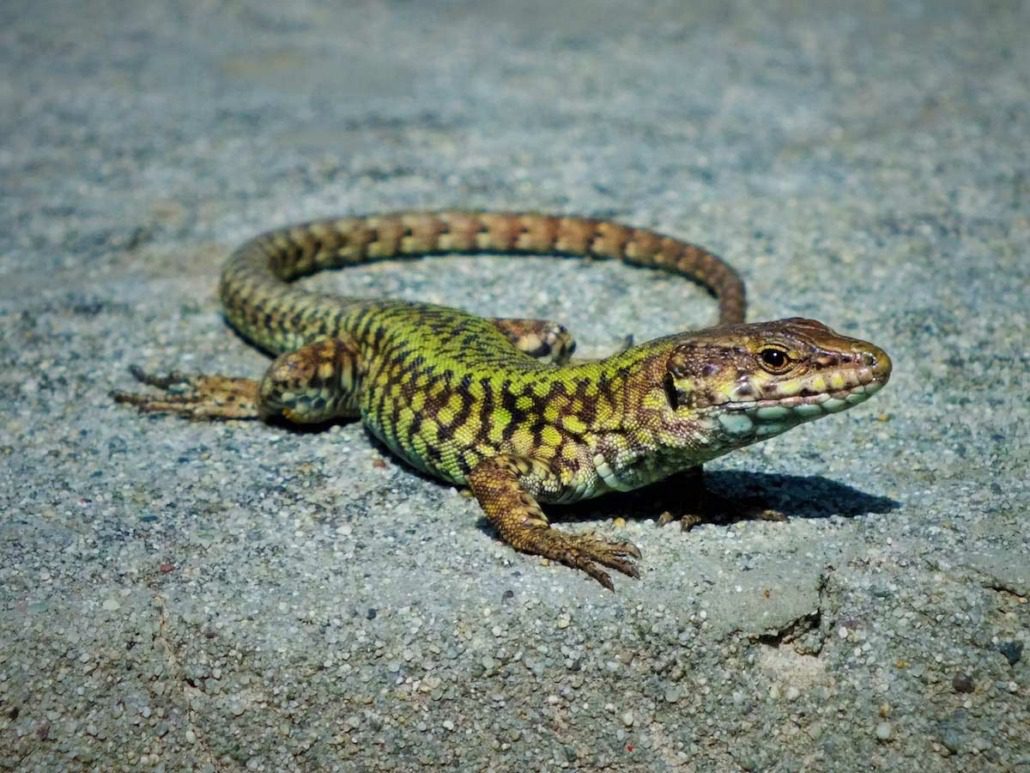
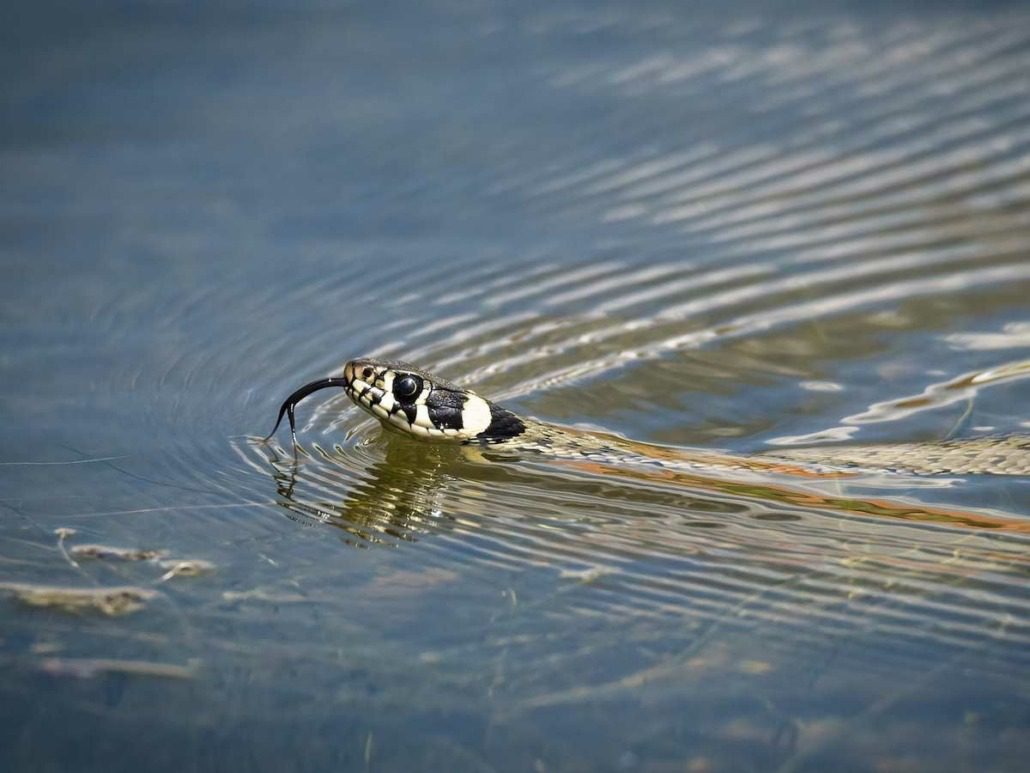
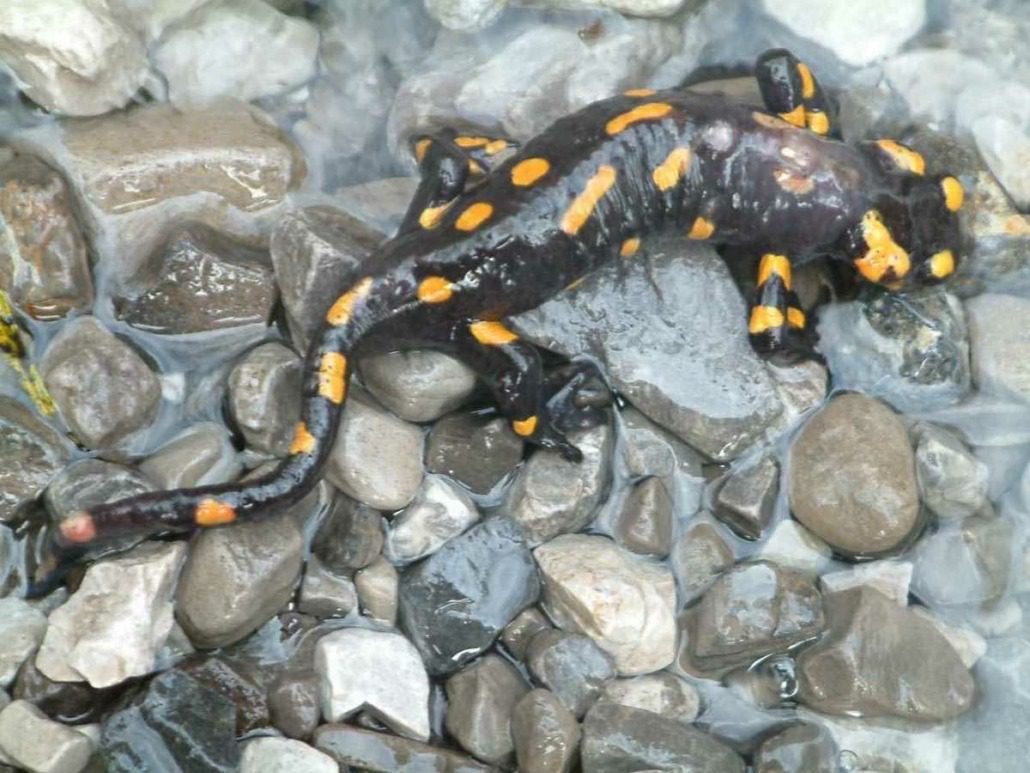
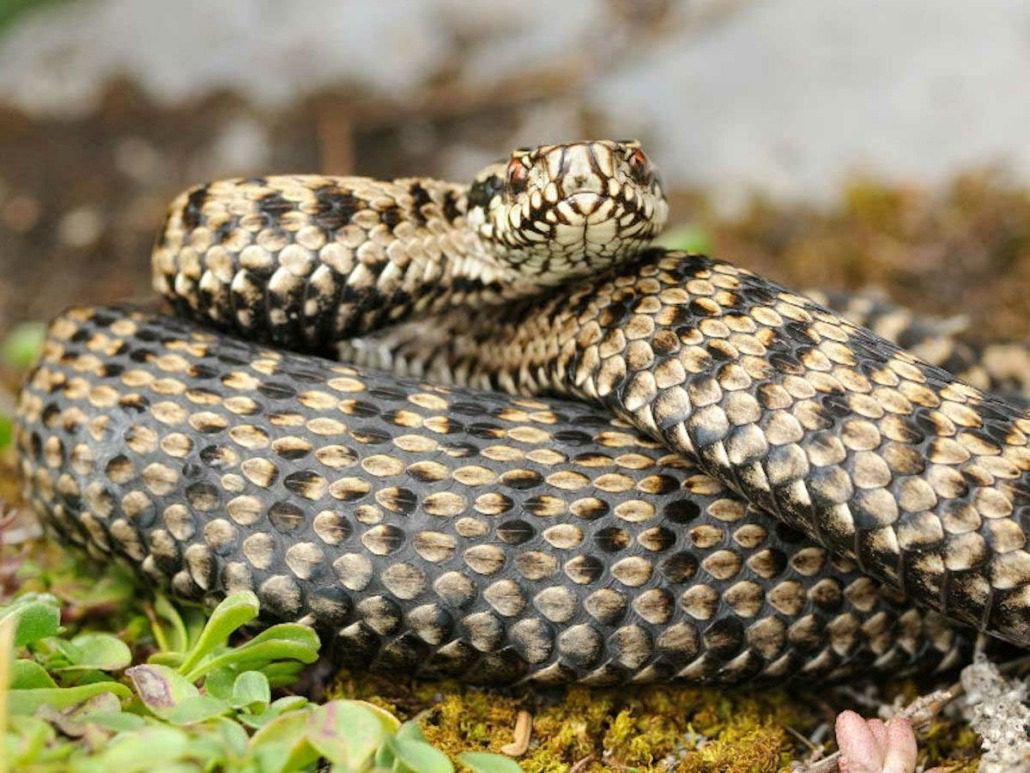
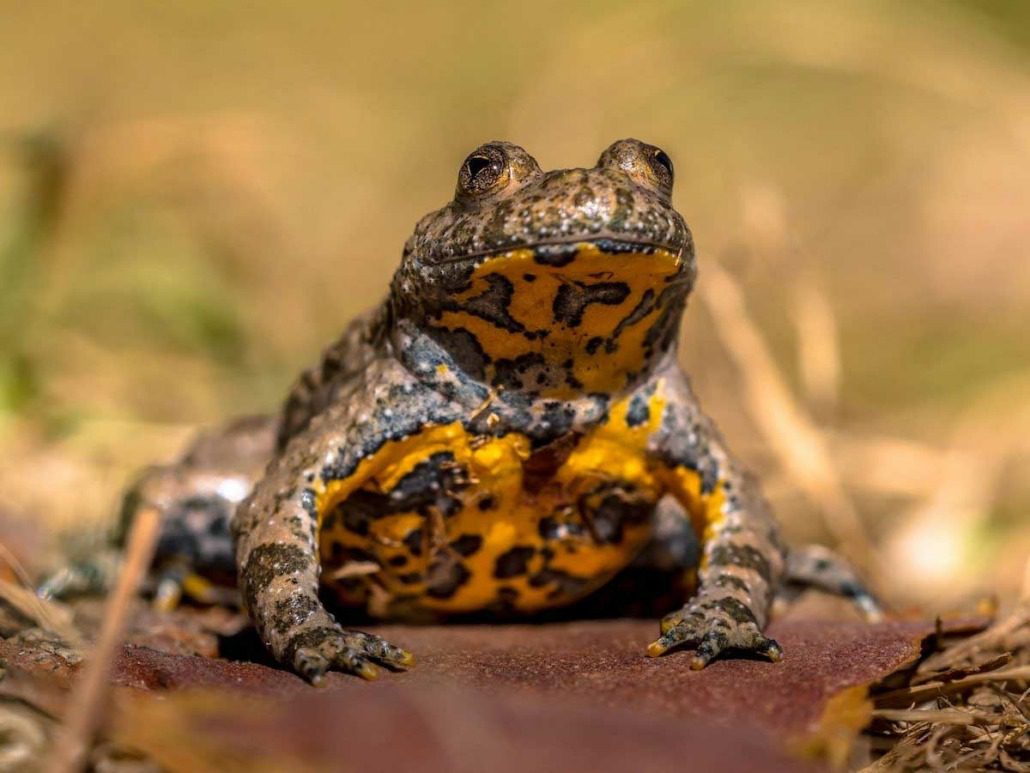
Note: the Reptiland Center in Riva del Garda features a several species of reptiles from Lake Garda.
Lake Garda has become a vibrant hub for birdwatching, thanks to a notable increase in the diversity of bird species, particularly aquatic birds, in recent years. The open waters of the lake are a haven for black-headed gulls, herring gulls, and various diving birds such as cormorants and grebes. The reed thickets at the lower part of the lake provide ideal habitats for abundant populations of ducks, mallards, herons, coots and swans, thriving in this sheltered environment.
The skies above Lake Garda are also frequented by impressive birds of prey. The black kite is often seen gliding over the lake’s surface, a sight that captivates many nature enthusiasts. Other raptors like the kestrel, buzzard, and the majestic golden eagle also grace the area, each adding to the dynamic aerial life above the lake.
The surrounding woods are alive with the chirps and songs of serins, greenfinches, thrushes, finches, blackbirds, starlings, great tits, warblers, blackcaps, and various buntings, while the woodcock, with its camouflaged plumage, remains a more elusive sight. The woods also resonate with the calls of cuckoos, jays and hoopoes, adding a melodious backdrop to the landscape.
Higher altitudes around the lake are known for their distinctive bird species. The great spotted woodpecker can be heard in these areas, along with passerines like the redstart, broom sparrow, and robin. In the spruce forests, one might spot the crossbill and the crested tit, adding a special touch to the high woodland avifauna.
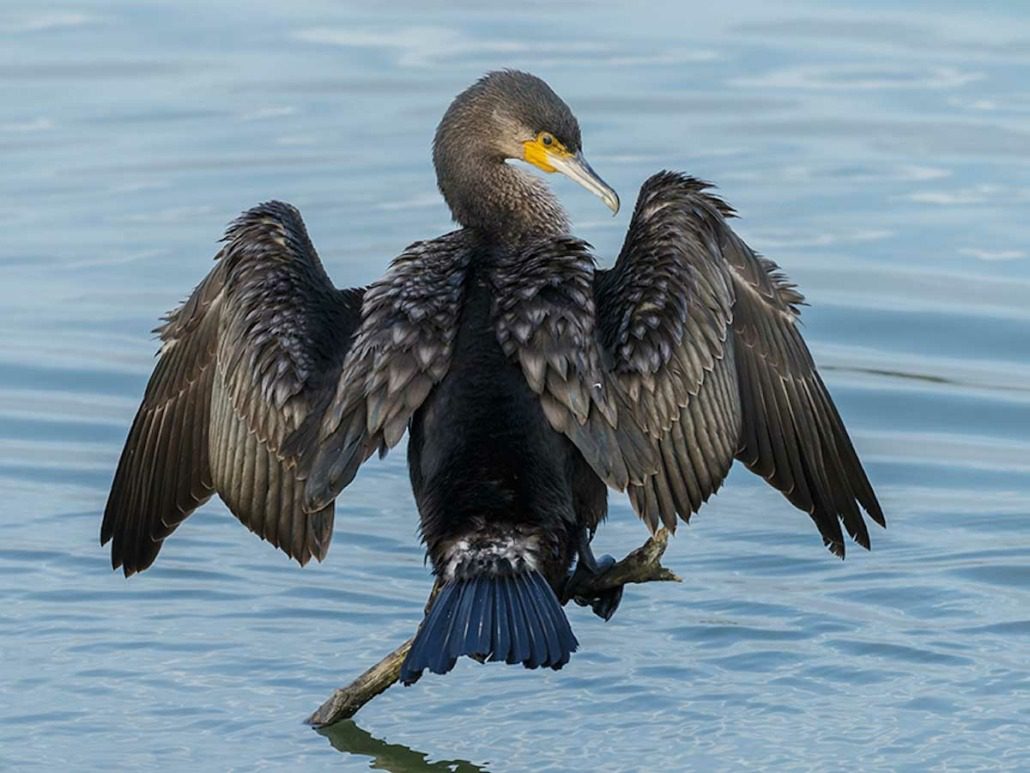
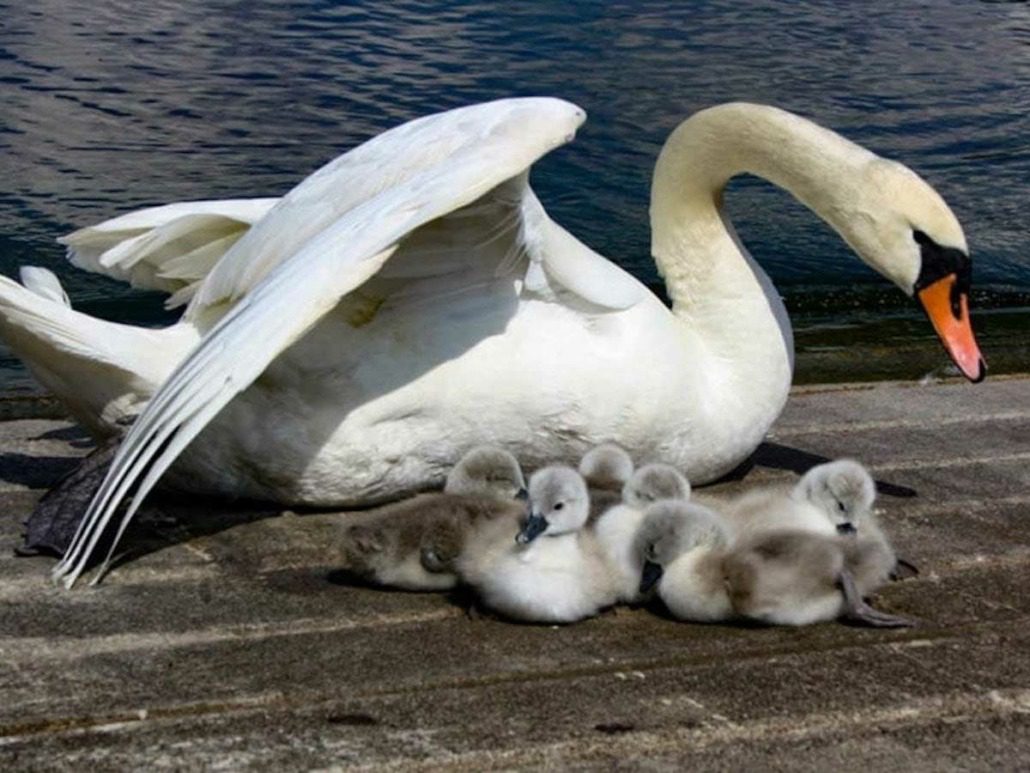
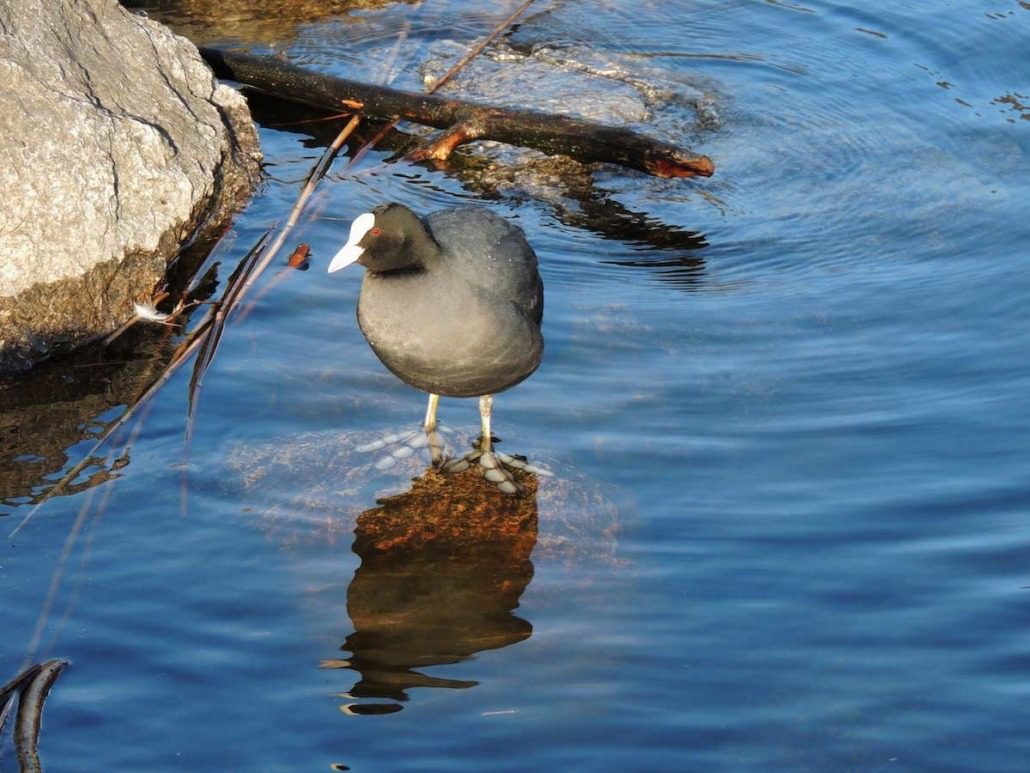
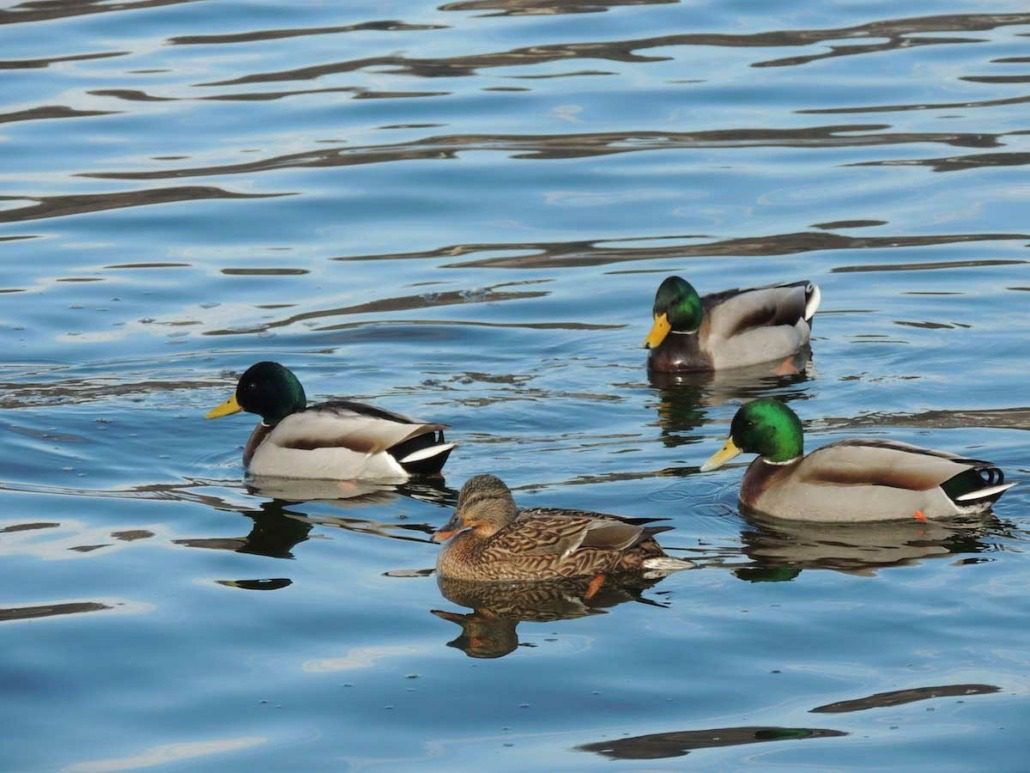
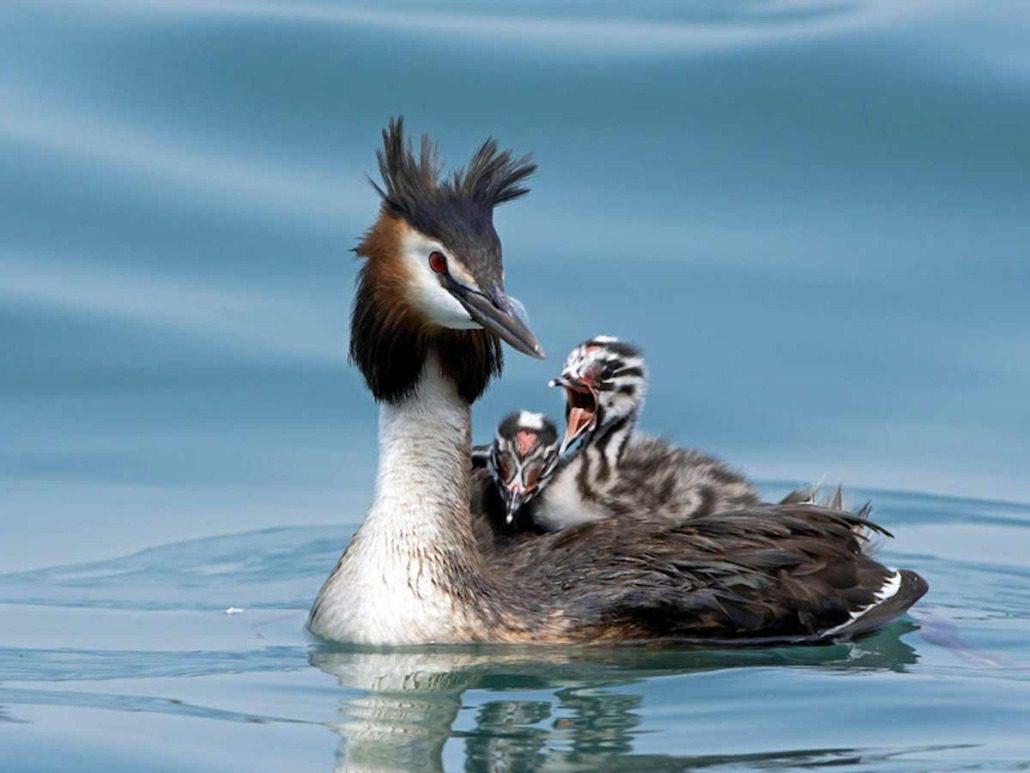
Lake Garda also hosts several sedentary species that enhance the region’s biodiversity. The black grouse and the capercaillie, a superb and rare bird, are found exclusively in the Bollone forest on the lake’s west coast.
The rock partridge is another species that prefers the secluded woods of the Alto Garda Bresciano Park, contributing to the unique and rich birdlife that makes Lake Garda a prime destination for bird enthusiasts and nature lovers alike.
Note: feeding aquatic birds is prohibited to avoid health issues and ecological disruption. Visitors are advised to enjoy observing the birds from a distance, ensuring their wellbeing and the area’s ecological balance.
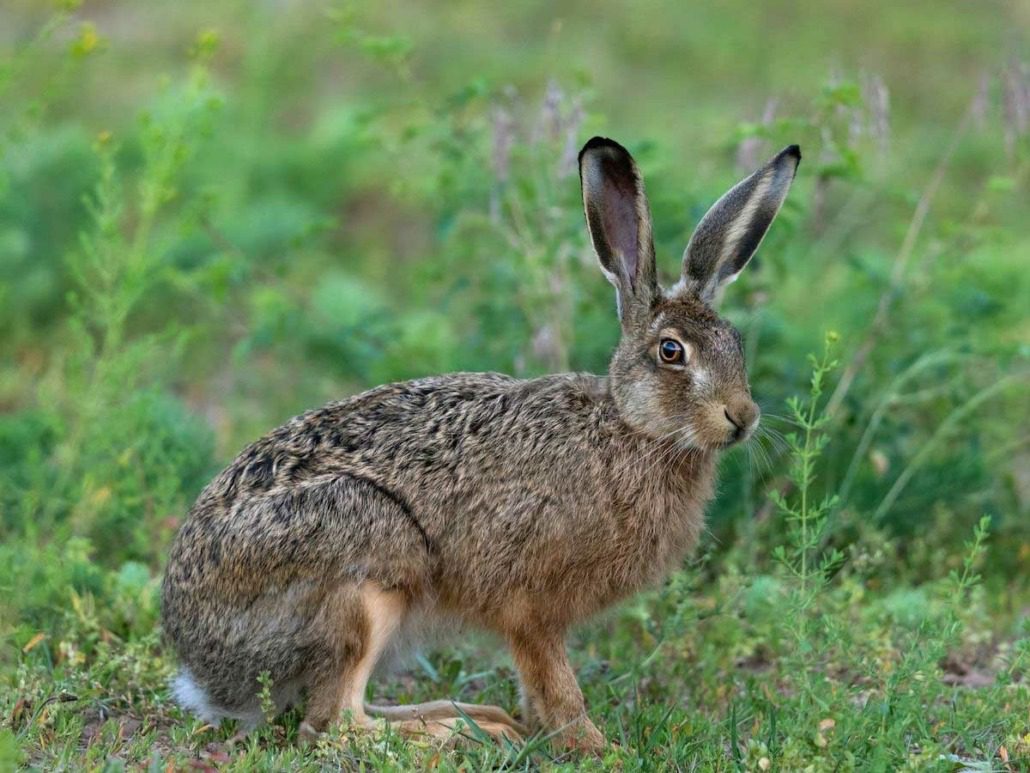
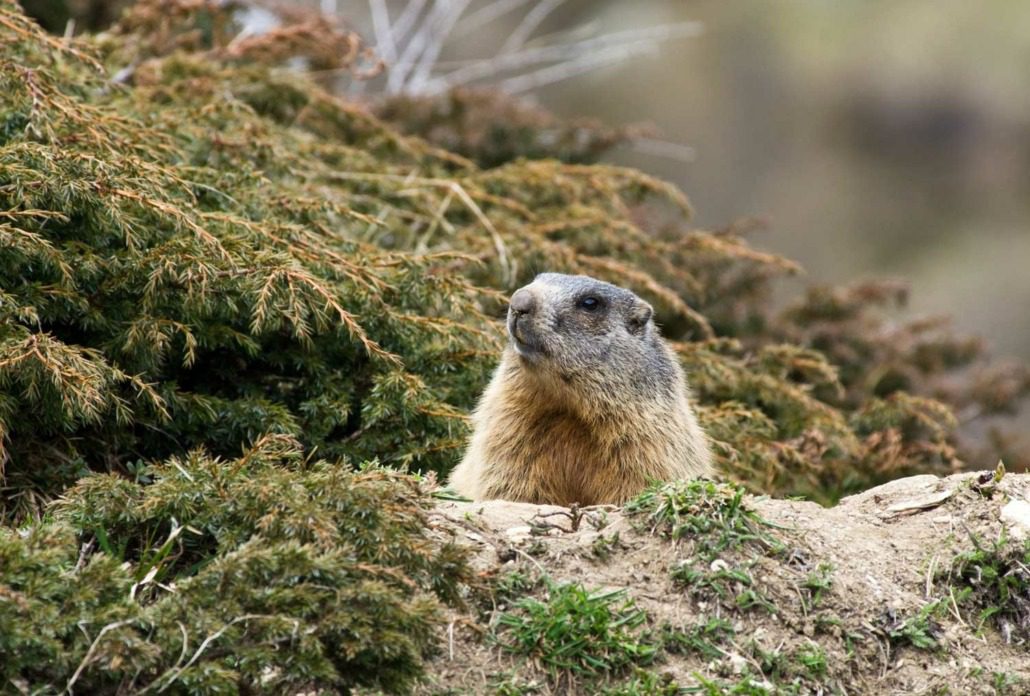
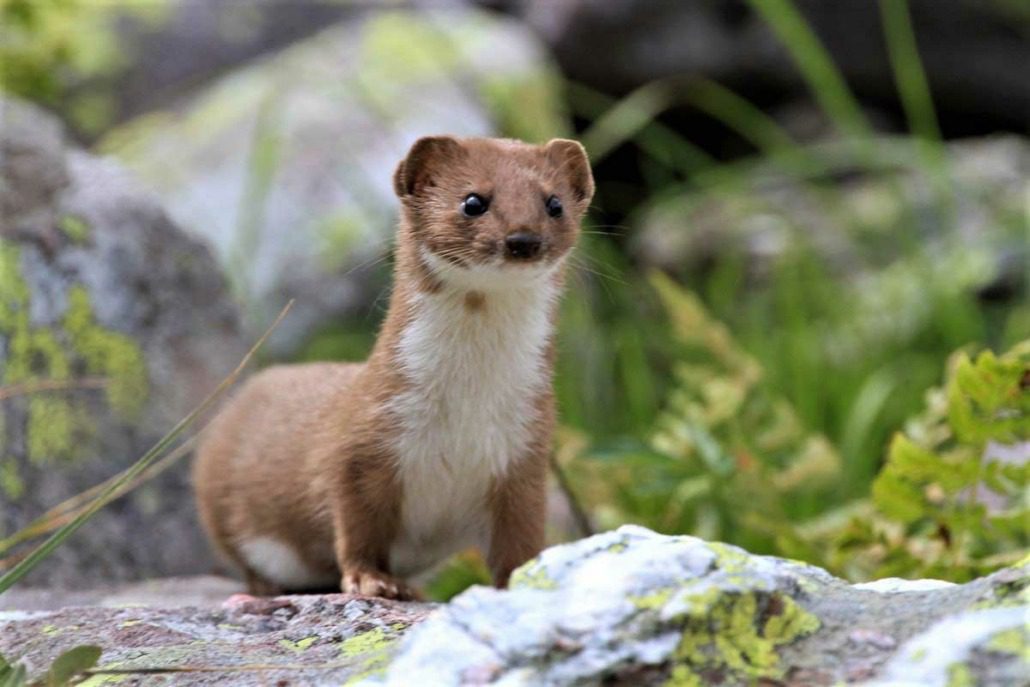
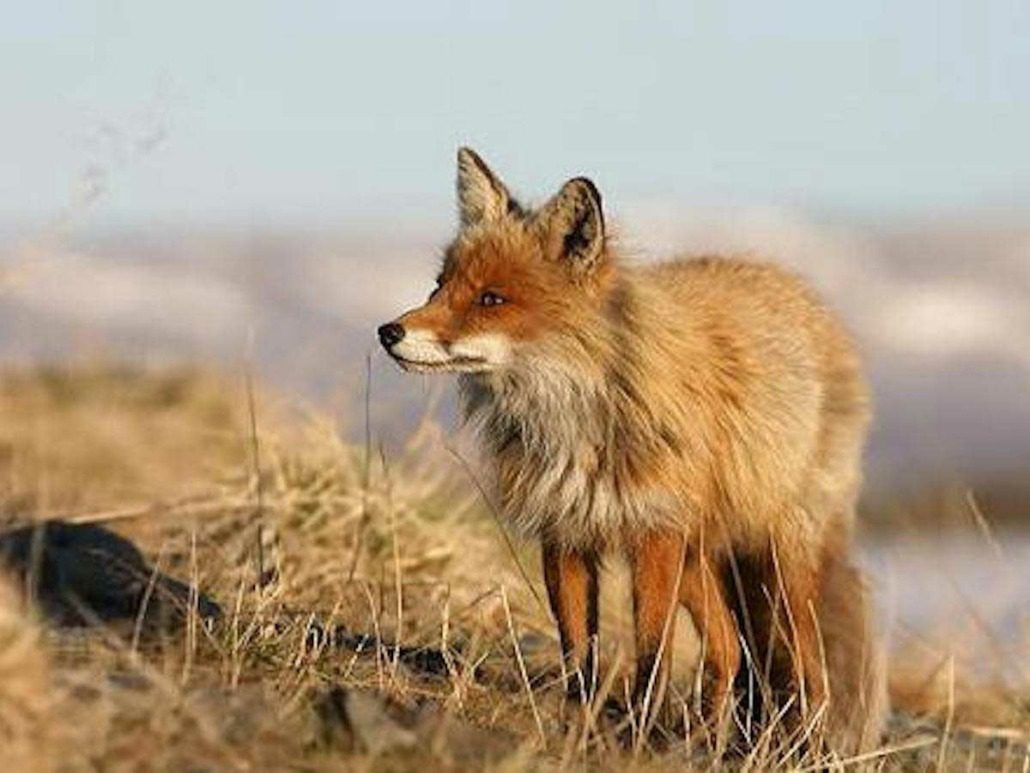
The region also supports a variety of smaller mammals such as hares, squirrels, dormice, and the common dormouse. Insectivores like shrews, moles, and hedgehogs are prevalent, playing vital roles in the ecosystem by controlling insect populations. Carnivorous species include the widespread fox, the weasel, and the stone marten, adding to the predatory dynamics of the habitat. However, the marten remains very rare.
Lake Garda‘s substantial body of water, which holds approximately 49 km³, plays a crucial role in moderating the climate of the surrounding region, granting it a sub-Mediterranean character. This unique climate supports an exceptional diversity of flora, originating from various climatic zones, which have found suitable ecological niches within this area.
The vegetation around Lake Garda showcases a fascinating stratification similar to latitudinal plant bands encountered when traveling from temperate to alpine zones. At the lower altitudes, the shores are adorned with olive and cypress trees, as well as thermophilic species like terebinth and laurel, particularly thriving in the warmer microclimates such as San Vigilio and north of Malcesine. Holm oaks, a significant evergreen species, dominate these rocky parts, offering a lush, green canopy that is both picturesque and ecologically valuable.
Ascending Mount Baldo, the vegetation transitions through a middle belt ranging from 400 to 800 meters, featuring forests of downy oaks, black hornbeams, and ash trees. In the more humid zones between 500 and 700 meters, chestnut groves are prevalent, contributing to the region’s agricultural value. Beyond this, a band of broad-leaved trees including hornbeams, hazels, maples, and rowans integrates with early arrivals of beeches, which find their ideal conditions between 1000 and 1200 meters.
Higher still, the landscape shifts to include red firs and, more sporadically, silver firs. At about 1700 meters, the environment transforms into a distinctly alpine habitat with pine forests and dense patches of rhododendrons and various mountain flowers, marking the start of the true alpine zone. This altitude hosts a rich array of endemic plant species such as sedges, anemones, saxifrages, and ranunculaceae, establishing Mount Baldo as a renowned botanical haven, often referred to as the “garden of Italy.”
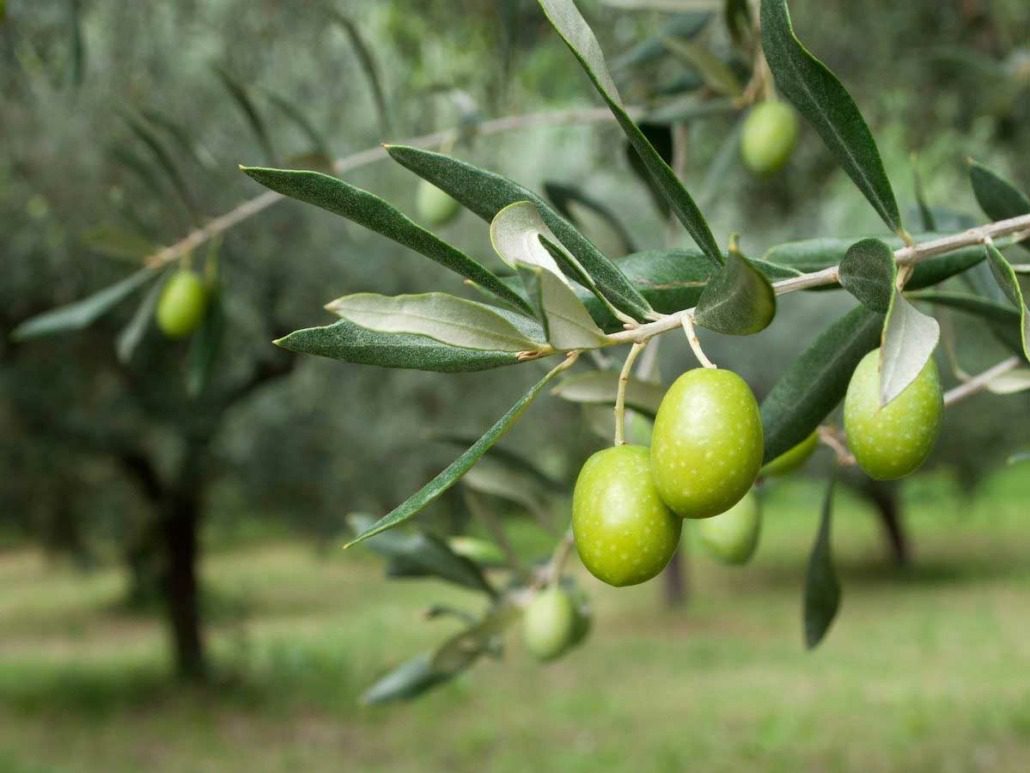
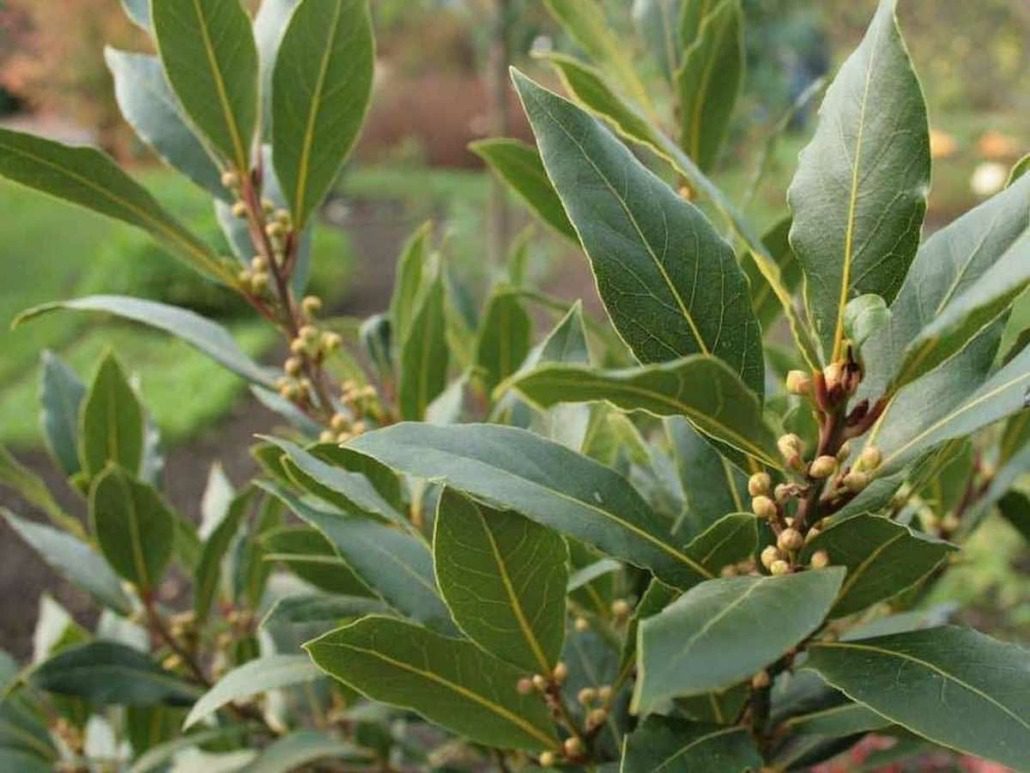
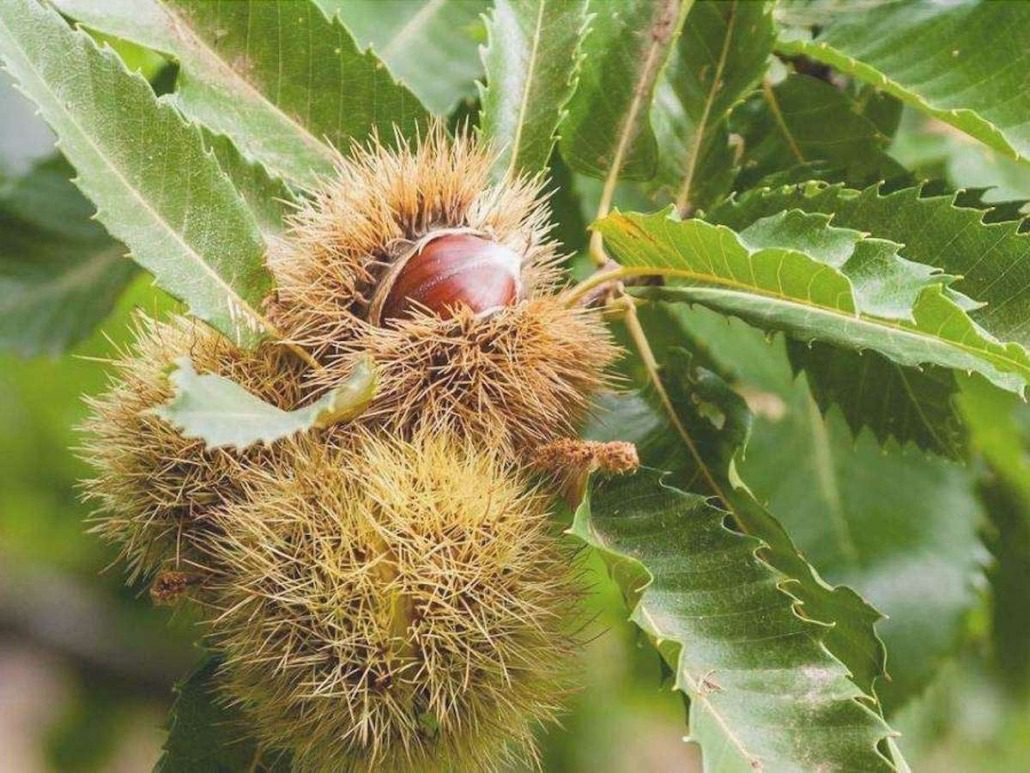
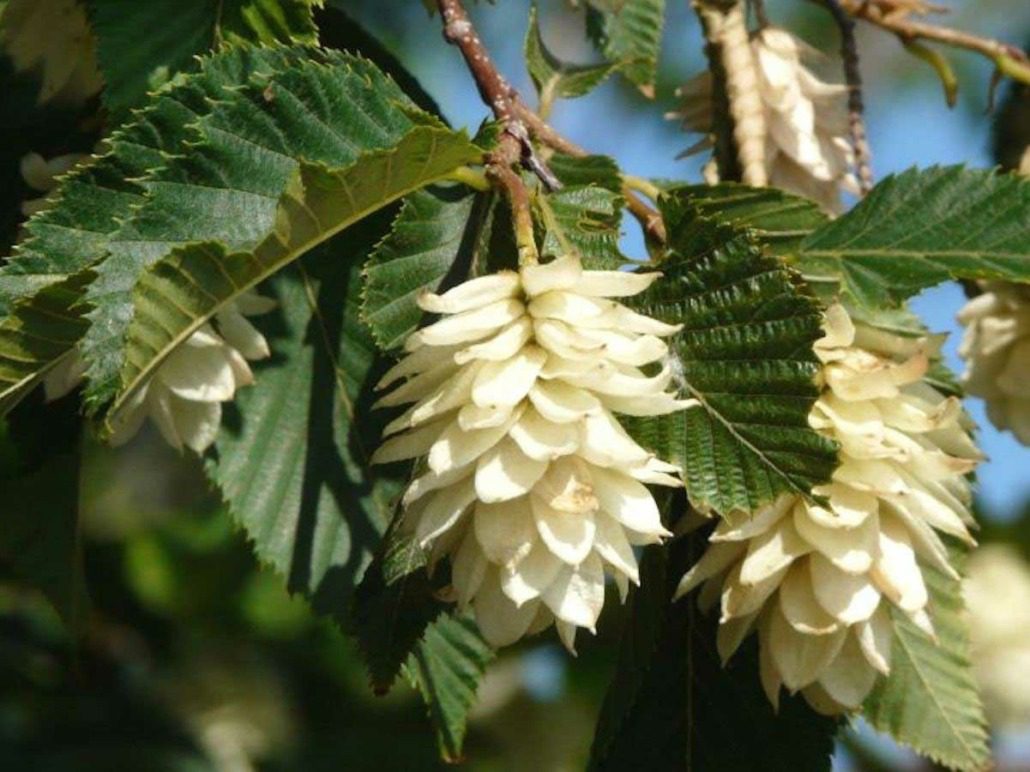
On the steep cliffs and deep ravines of the upper Garda area of Brescia, the vegetation succession from the lakeshore to the mountain peaks mirrors that of the Veronese coast, even though shaped by the slightly lower elevations.
Following the last glaciation, extensive forests of oak, white hornbeam, and ash dominated the flat areas south of the lake. Today, remnants of these ancient woodlands persist in marginal areas unsuitable for agriculture, such as the Bosco Fontana near Mantua, which retains a structure similar to the original forests. On the moraine hills, original oak and downy oak forests now survive mainly on the north-facing slopes, preserving a fragment of the area’s past vegetative glory.
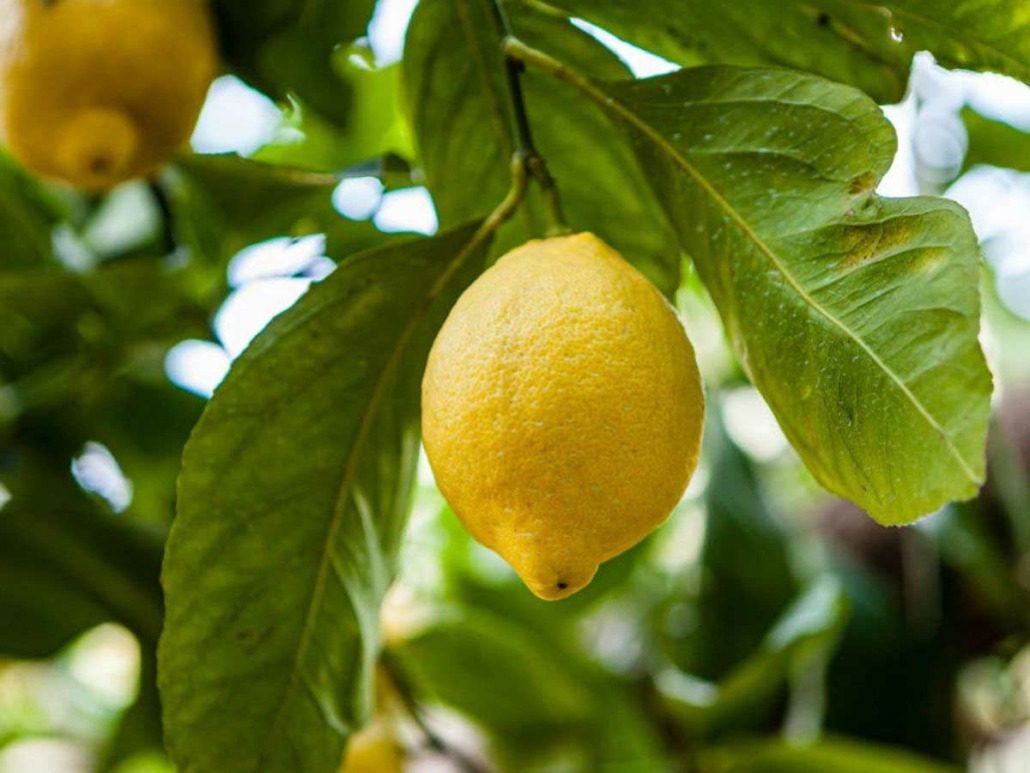
Note: the introduction of citrus (in particular – lemon) to the Lake Garda region is attributed to the monks in the thirteenth century. Over time, citrus cultivation became a significant part of the local agriculture and cultural heritage.