Parkings and ZTL
Our Guide to the ZTL Limited Traffic Zones and Parking Around Lake Garda

Exploring Lake Garda by car is a convenient and flexible way to experience the region. Having your own vehicle lets you visit charming towns, scenic beaches, and hidden gems at your own pace, discovering the unique character of each stop along the way. Whether it’s a quick drive to a lakeside village or a leisurely journey through vineyards and historic sites, the roads around Lake Garda offer endless opportunities for discovery.
While driving provides freedom, it also brings challenges. Parking can be difficult, especially in summer, and the lakeside road (Gardesana) often gets congested on weekends. Many historic centers have restricted traffic zones (ZTL) where unauthorized entry can result in fines. With careful planning and local awareness, however, driving remains one of the best ways to explore Lake Garda, offering access to places public transport can’t reach.
Zona a Traffico Limitato, or ZTL, refers to restricted traffic zones designed to reduce congestion and pollution in historic city centers. Access is typically limited to residents, public transport, and authorized vehicles. As a visitor, it’s essential to understand how these zones operate to avoid hefty fines ranging from €80 to €320. Many GPS systems do not recognize ZTL boundaries and may simply direct you along the shortest route, so always pay close attention to traffic signs and road markings.
ZTL zones are marked by signs featuring a red circle and the words “Zona Traffico Limitato.” These signs often include additional details such as hours of operation and vehicle restrictions. Entering these zones, even unintentionally, can result in fines, as surveillance cameras monitor every entrance and automatically record license plates. If you’re driving a rental car, any fine will be forwarded to the rental company, which will then charge you an additional processing fee.
Around Lake Garda, several towns have implemented ZTL zones to preserve their historic charm and create a more enjoyable experience for both locals and visitors. These restrictions help keep town centers peaceful, pedestrian-friendly, and safe. Regulations may also extend to bicycles, scooters, and other electric vehicles, which must be walked by hand within ZTL areas. Parking is typically restricted to designated lots outside the historic core to prevent congestion in narrow streets.
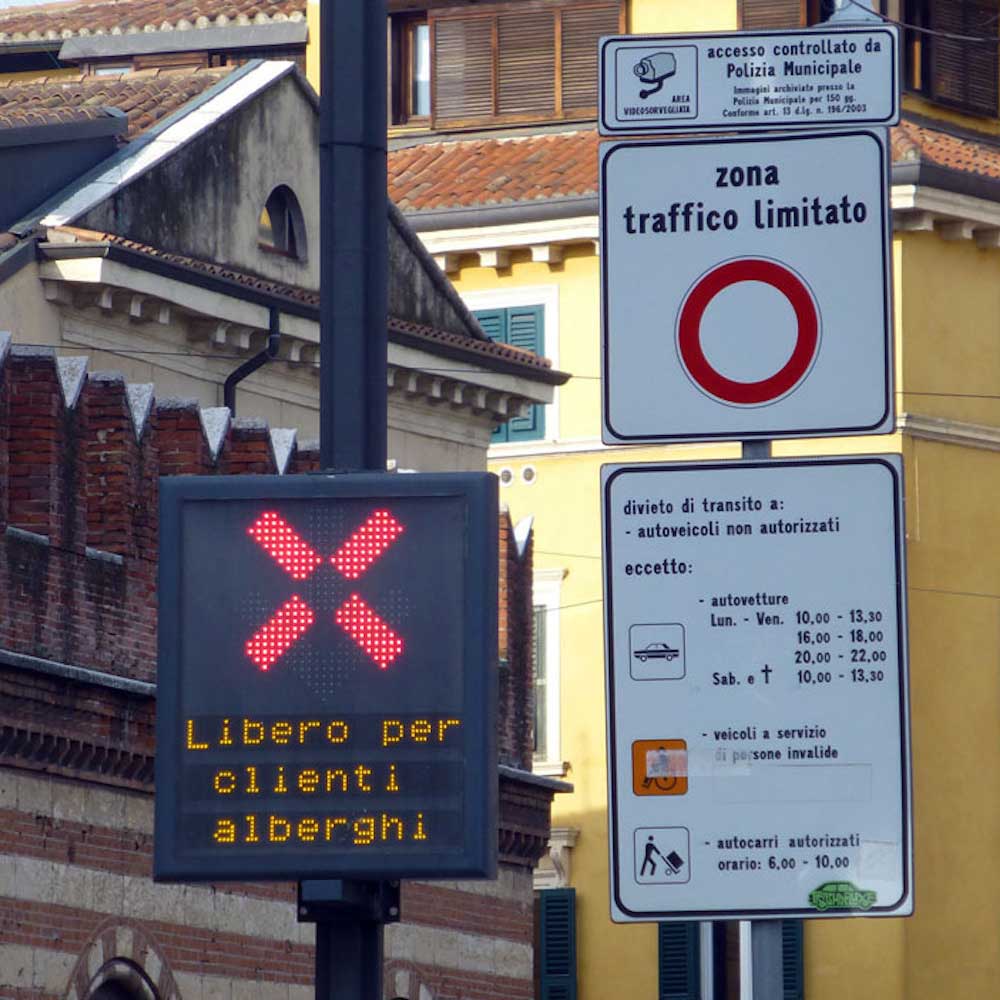
You cannot pay to enter ZTL areas at Lake Garda—access is forbidden without a special permit. When booking accommodation, check whether your hotel can arrange temporary ZTL access for guests. In such cases, there is no physical permit to display; instead, the license plate of your vehicle is provided to local authorities and matched against the cameras’ database of authorized vehicles. Always confirm this with your hotel in advance to avoid fines.
Keep in mind that finding parking around Lake Garda during the high season can be challenging. In many towns, especially popular ones like Sirmione, Limone sul Garda, and Malcesine, spaces near the center fill up quickly. You may need to park on the outskirts and walk or take a shuttle bus to your destination. Planning ahead and arriving early in the day can save time and stress when searching for a spot.
When booking accommodation, consider parking availability. It’s often worth paying a little extra for a hotel with private parking or a garage, rather than facing high parking fees in busy tourist areas. Always secure your valuables—never leave bags or electronics inside the car, even if hidden. Many towns offer luggage storage facilities, or your hotel can hold your belongings until you’re ready to depart.
Finally, always check parking signs and follow the rules indicated by the colored lines on the road: white for free, blue for paid, yellow for reserved, green for electric vehicles, and pink for family spaces. Respecting these markings and local signage will help you avoid fines and enjoy a stress-free visit around Lake Garda.
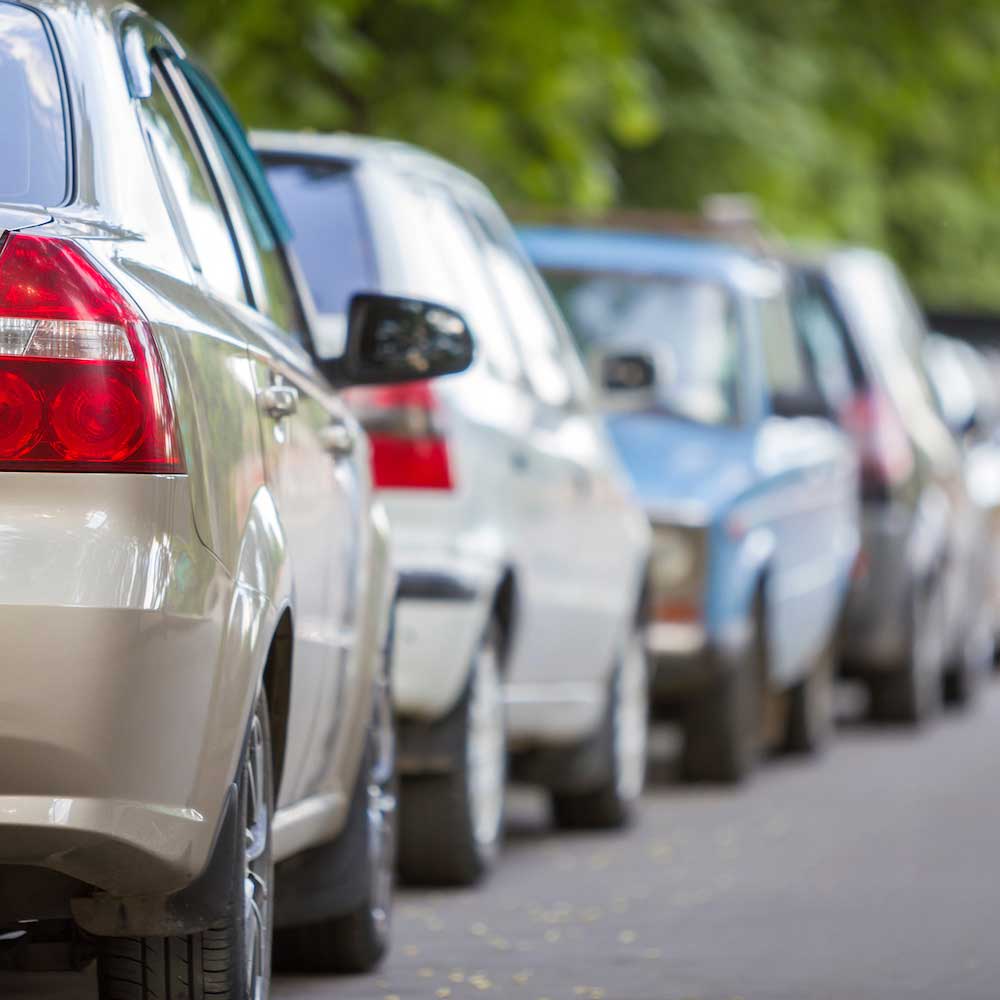
In Italy, you can park in designated spaces marked by lines on the road, in parking garages, or along the street, as long as there are no signs indicating restrictions. It’s essential to check local signs carefully to ensure parking is allowed. In towns and cities, parking areas are color-coded, each color defining who can park there and under what conditions — often explained by nearby vertical signs. Here’s what each color means:
White Lines – Free or Time-Limited Parking
White lines usually indicate free parking spaces, available to anyone unless otherwise specified by local signage. However, some municipalities impose time restrictions, especially in busy or central areas. In these cases, you’ll need to use a parking disc to show your arrival time. Spaces with diagonal white stripes are not for parking; they must be kept clear for access, turning, or emergency passage. Always check for any additional rules posted on signs.
Blue Lines – Paid Parking
Blue lines mark paid parking areas. You can purchase a ticket from a nearby parking meter and display it clearly on your dashboard. In some cases, these spaces are free but still require a parking disc. Many towns now use apps like EasyPark, allowing you to pay digitally and even adjust or stop your session for a partial refund.
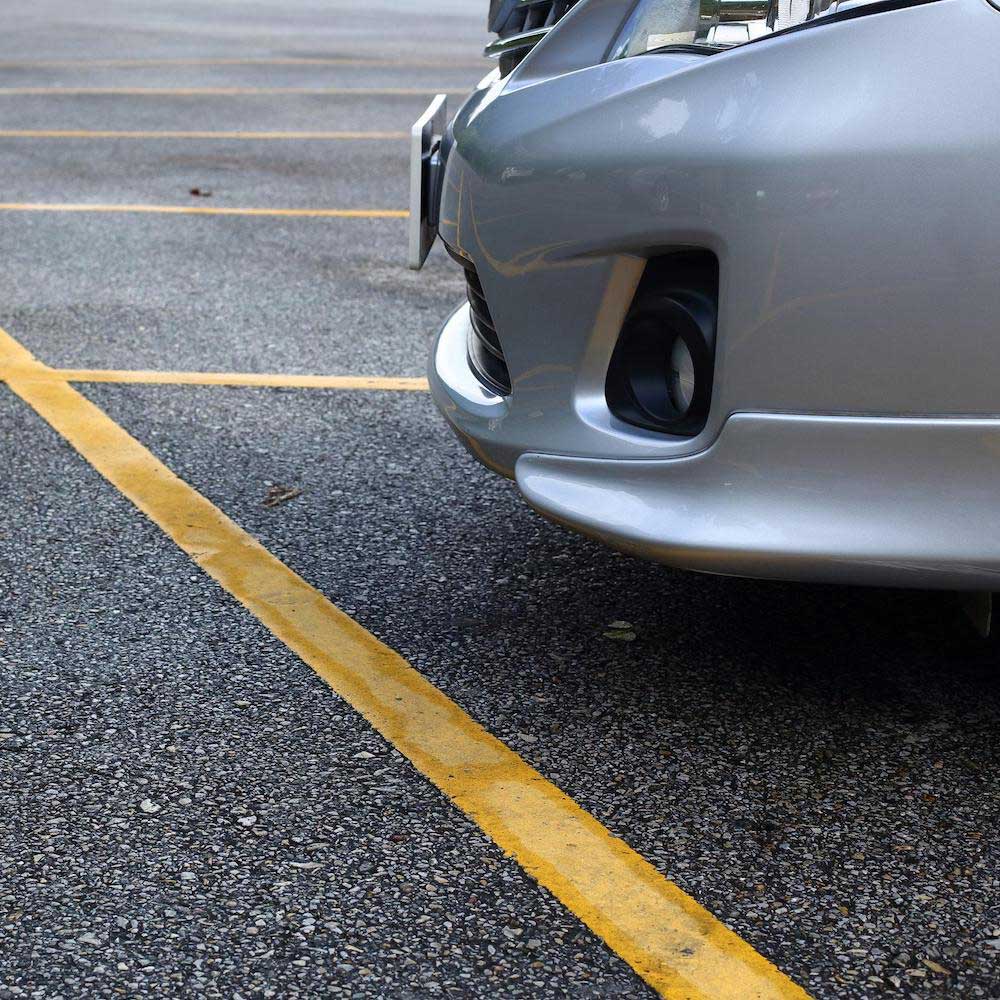
Yellow Lines – Reserved Parking
Yellow lines are reserved for specific users, such as disabled drivers, residents, taxis, or service vehicles. These spaces always have signs or symbols clarifying their purpose. Disabled parking spots require a valid disability badge issued by local authorities. Loading and unloading zones marked in yellow are typically time-limited and reserved for commercial vehicles during business hours.
Green Lines – Electric Vehicle Parking
Green lines indicate parking for electric or hybrid vehicles, often located near charging stations. In some cities, eco-friendly cars can park for free or at a reduced rate, while non-electric vehicles must pay the standard fee.
Pink Lines – Family Parking
Pink lines are reserved for pregnant women or parents with children under two years old. These spaces are not mandatory nationwide but depend on municipal policies. A permit or relevant documentation may be required to use them. They are generally free, though some municipalities may apply a small administrative fee.
Fines for improper parking in Italy vary depending on the severity of the violation. Minor infractions, such as overstaying a paid parking period or failing to display a ticket, usually result in penalties starting at around €40. More serious offenses — such as parking in disabled spaces, loading zones, or emergency access areas — can lead to fines that exceed €300, and in some cases, vehicles may even be towed.
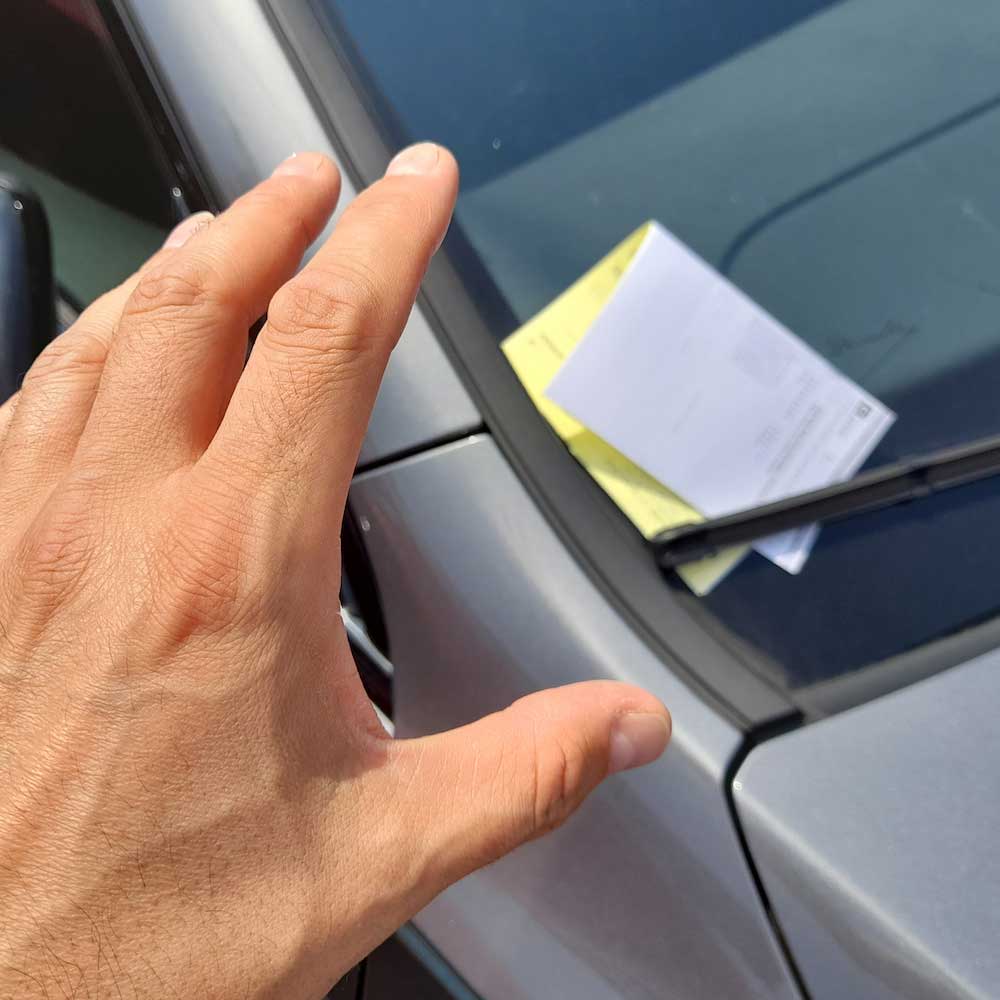
If you find a parking ticket (multa) on your windshield, it’s best to pay it promptly to avoid further complications. Paying within five days often qualifies you for a discounted rate. Most municipalities allow you to pay online through their official payment portals, following the instructions provided on the ticket. You’ll typically need to enter your name, ID or passport number, and the fine reference number.
Always keep a record of your multa and payment receipt—for instance, take a photo of the ticket and confirmation page. This is especially important if you’re using a rental car, as fines are often forwarded to the rental company after your trip. Having proof of payment helps you avoid duplicate charges or administrative fees later on.